Your guide to an effective emergency plan – how to prepare for crises
In a time of uncertainty, unpredictable weather phenomena and global unrest, it’s more important than ever to have a solid contingency plan. Whether you’re an individual, business owner or responsible for an institution, a contingency plan can be the difference between quick recovery and chaos in the event of a crisis.
What is an emergency plan?
An emergency response plan is a systematic and structured plan for dealing with crisis situations. It can be anything from power outages and floods to cyberattacks and pandemics. The purpose of an emergency response plan is to ensure that you or your organization can react quickly, minimize damage and secure supplies and communication in critical situations.
The plan should include a series of scenarios and clear instructions so you know what to do, who is responsible, and what equipment and resources are needed.
Why is an emergency plan important?
Too many people put off contingency planning because it feels remote and unlikely. But recent years have shown that everything from war in Europe, energy crises and violent storms to cyber attacks can strike quickly and unexpectedly.
Here are some of the benefits of having a contingency plan in place:
You respond faster and more structured in an emergency.
- You minimize the risk of panic and confusion.
- You protect lives, assets and critical infrastructure.
- You get an overview of necessary equipment and supplies.
- You secure communication and access to power during critical periods

How to make an emergency plan
Creating an emergency plan doesn’t have to be complicated. Here’s a step-by-step guide to get you started:
- Identify risks
Start by doing a risk assessment. What are the most likely crises that could affect you or your business? It could be power outages, fires, floods, disease outbreaks, social unrest or cyberattacks. - Define critical functions
Which functions are essential for you to succeed? For a business, it could be IT systems and access to electricity. For a household, it could be food, water, heating and power. - Assign responsibilities
Make sure everyone in the household or organization knows who is responsible for what. Assign tasks such as contacting authorities, starting up the generator, evacuation etc. - Make an equipment checklist
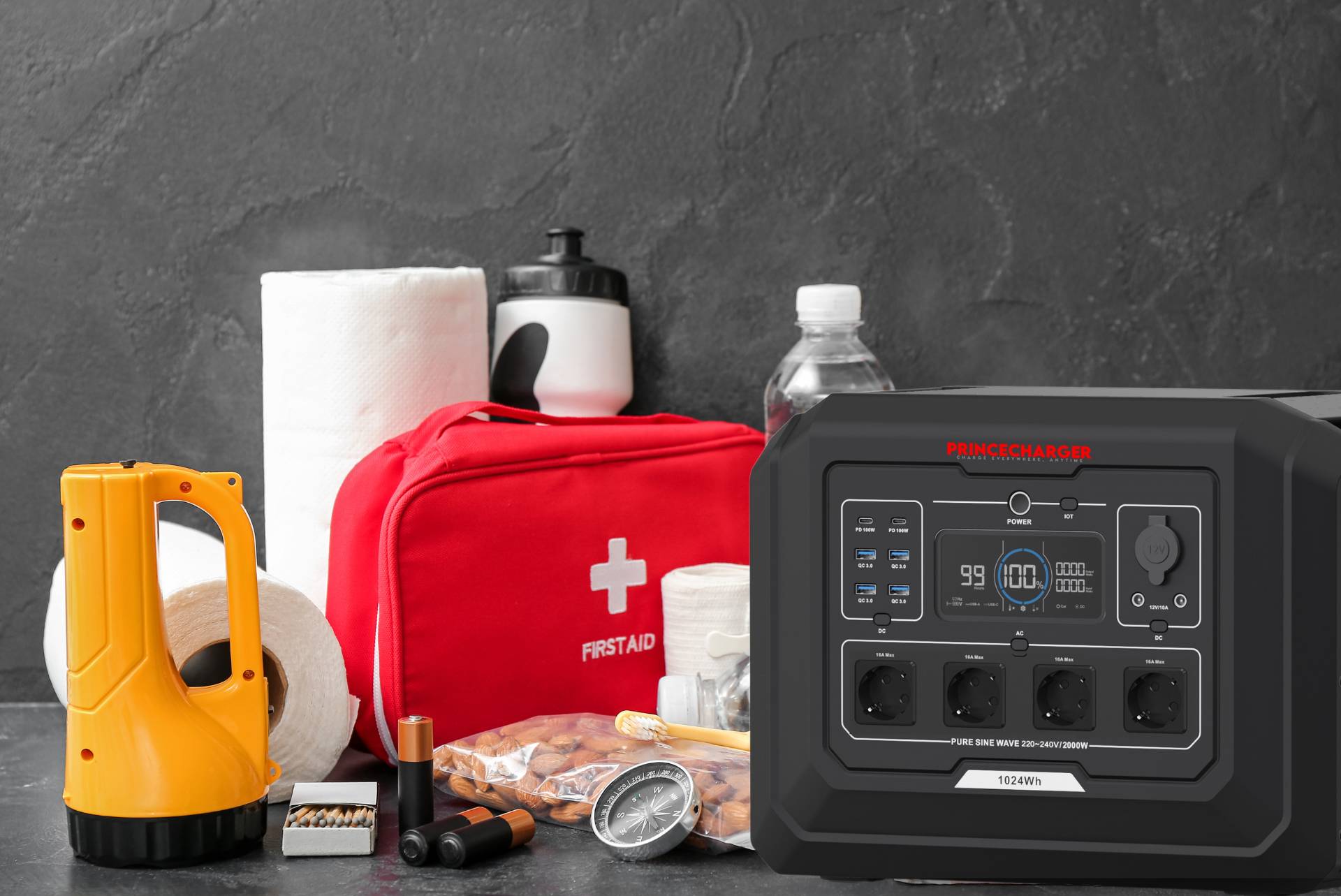
A good emergency plan should include a list of essential equipment. See also our tips for prepper equipment.- Powerstation or gasoline generator for power supply
- Food and water for a minimum of 3 days
- First aid equipment
- Flashlights and batteries
- Radio with emergency frequencies
- Documents and contact details
- Hygiene products and medicines
5. Practice the plan
Test your emergency plan regularly. Conduct drills where you simulate a power outage or communication breakdown. This ensures that everyone knows what to do – and where the necessary items are located.
Please note that this is not an official list of recommendations. To see the official list, please visit the Danish Emergency Management Agency website.
Power supply as a key part of the emergency plan
Many people forget that access to power is a crucial part of any emergency plan. Without power, your fridge, freezer, heating, phone charging and internet won’t work. That’s why it’s important to consider how you can secure power during prolonged outages.
When the power goes out, it’s important to have a reliable backup. Here are two powerful solutions to keep you and your household safe:
- A solar power station is a flexible and quiet energy source that can be charged via the grid, car or solar panels. Perfect for apartments, houses and camping – especially when you need power without noise.
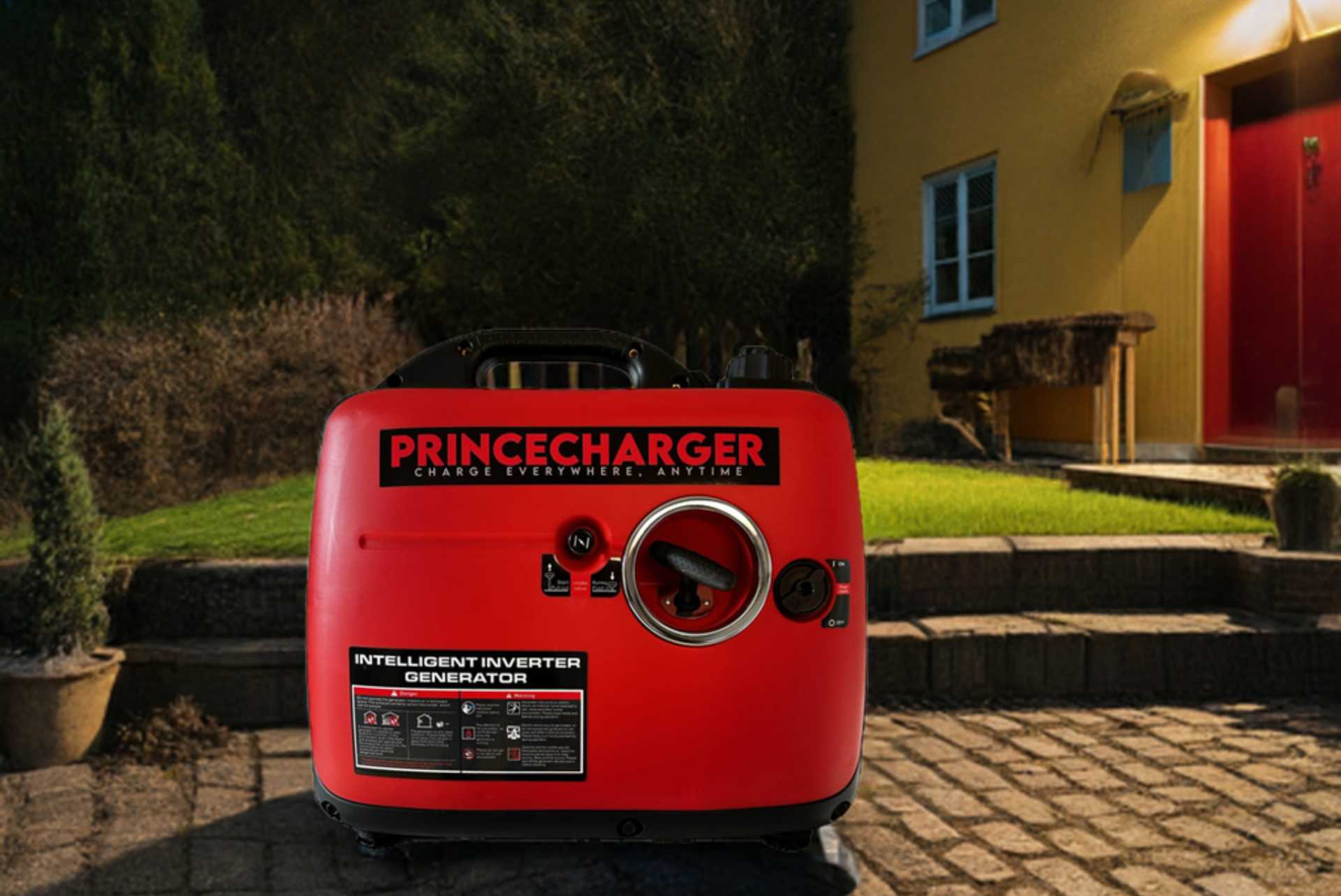
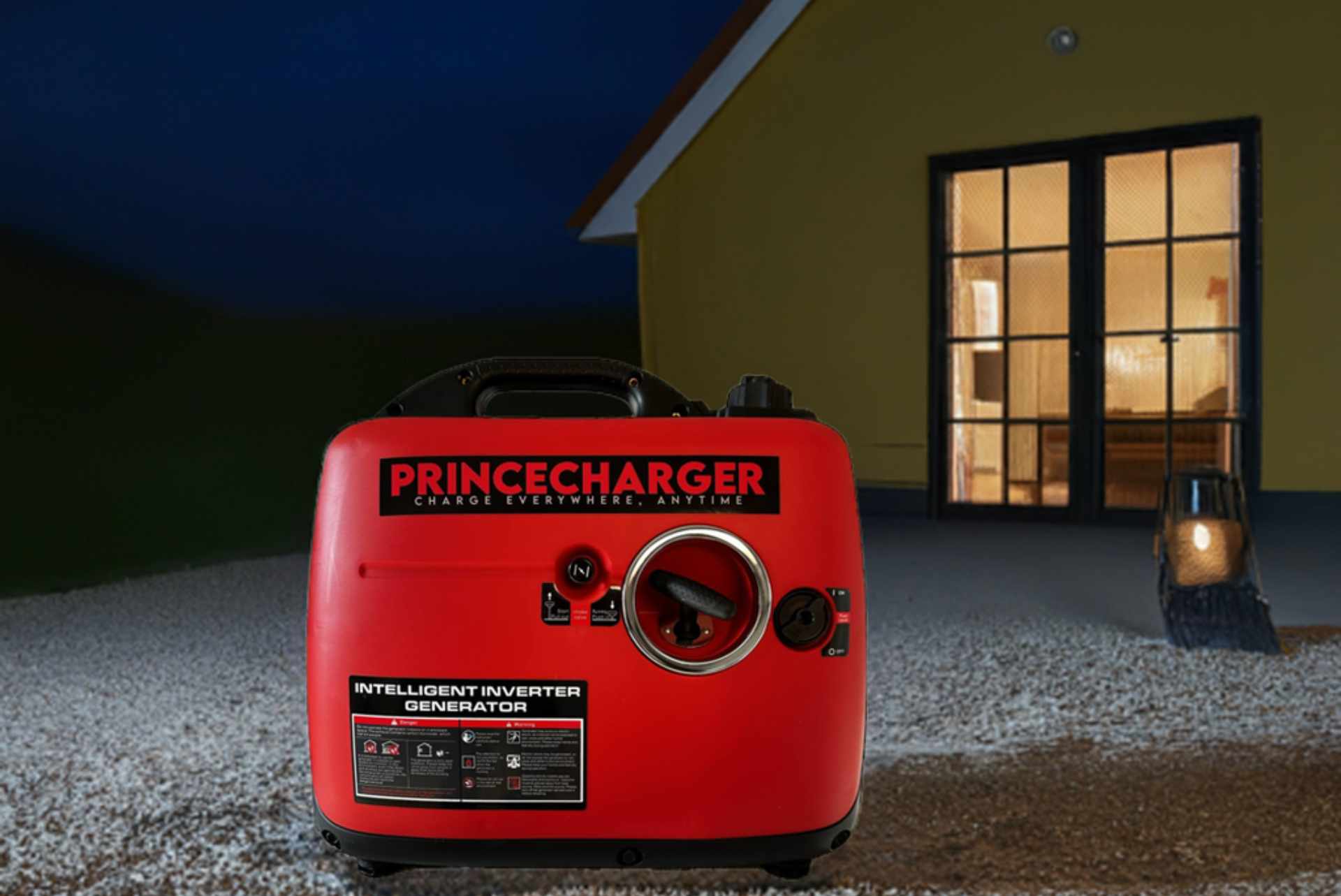
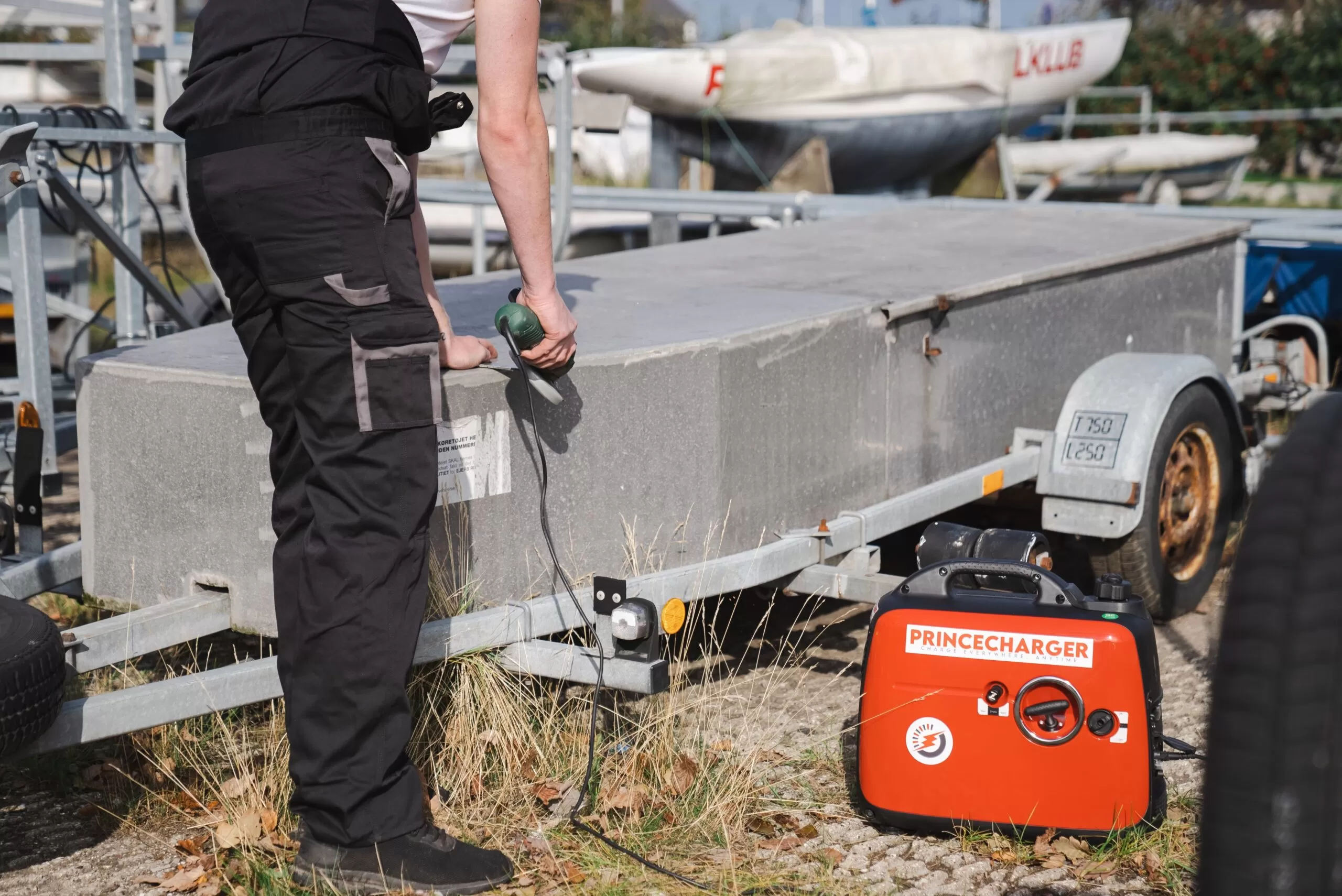
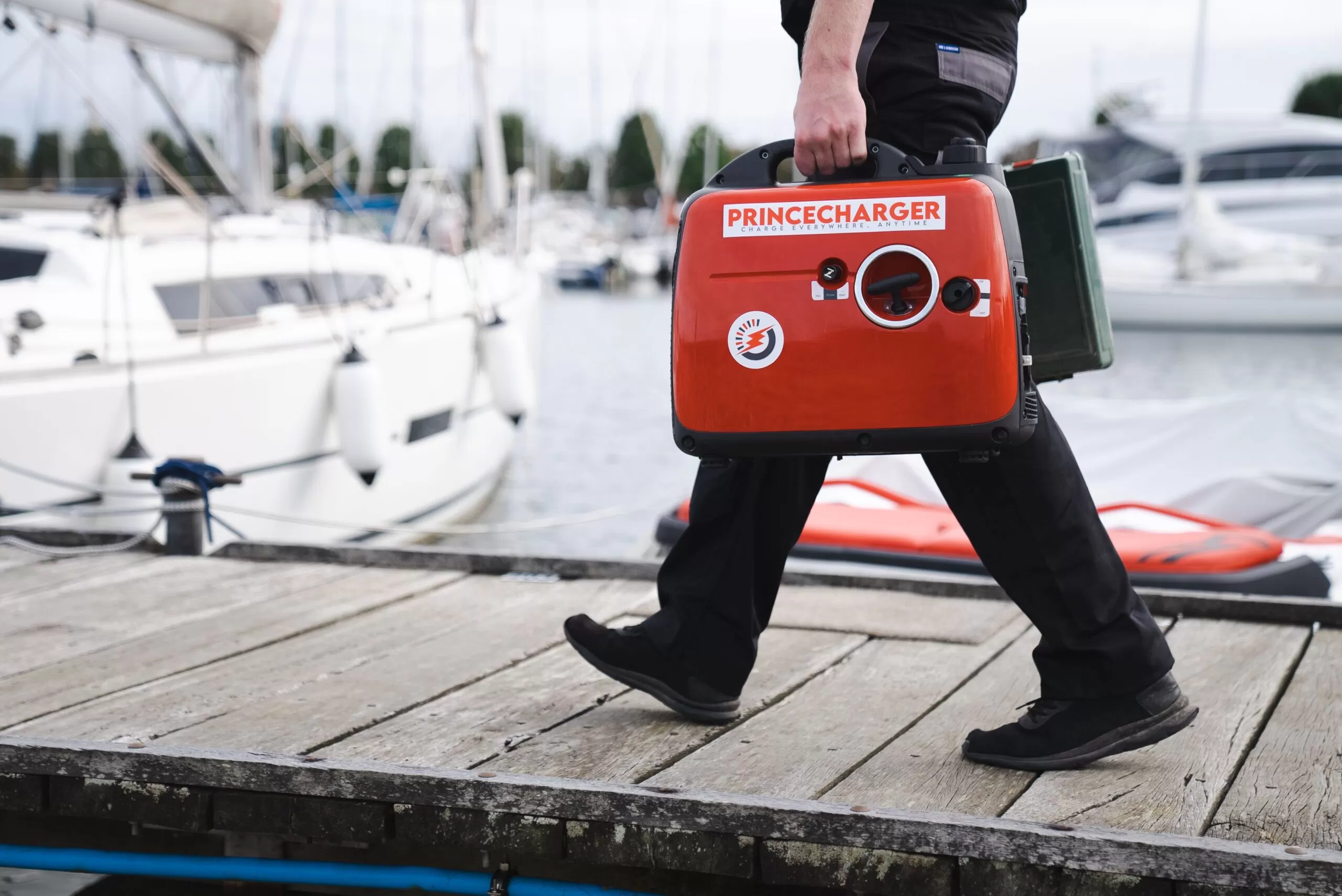
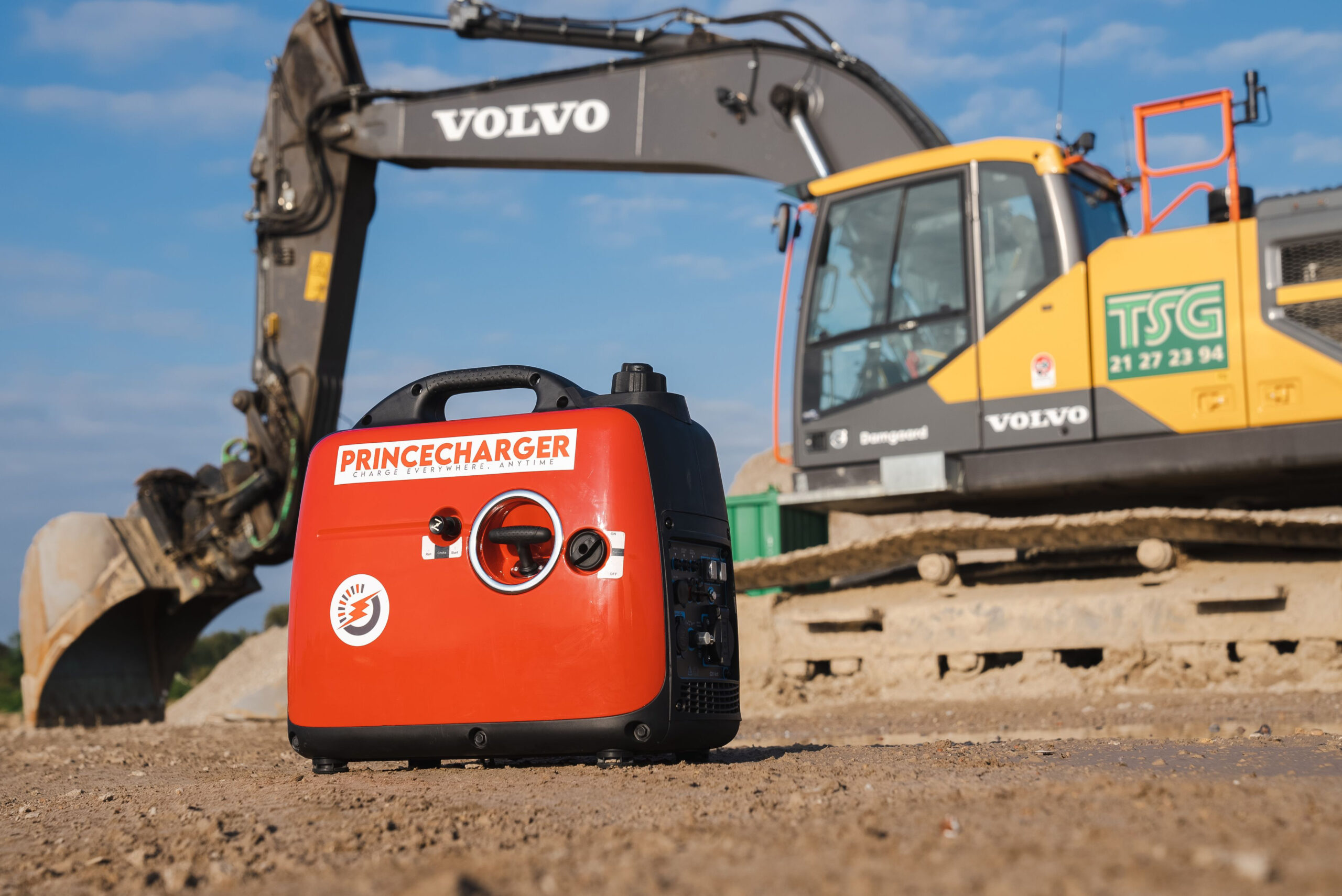
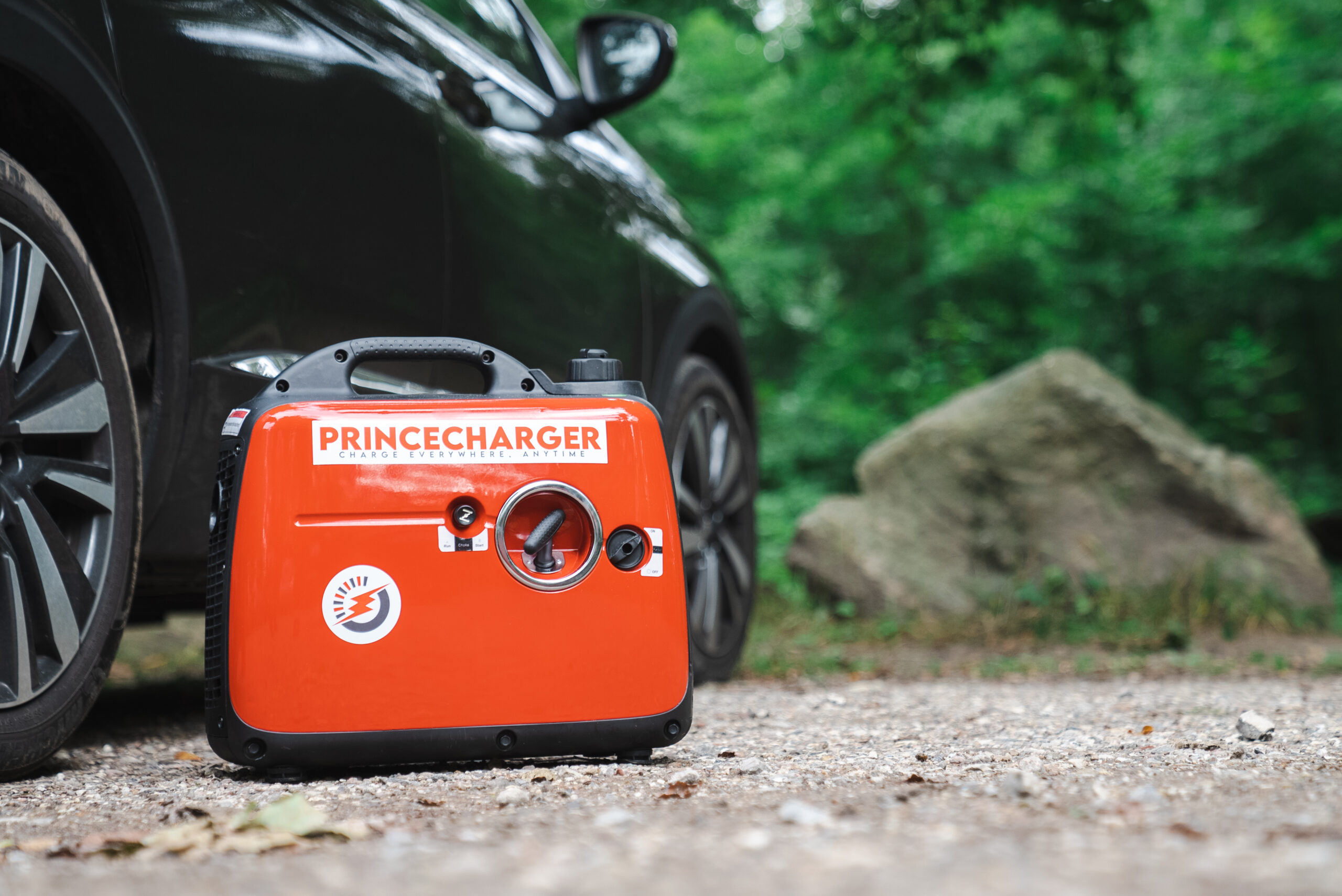
- If you need more power for a longer period of time, a gasoline inverter generator is a good choice. It can power both household appliances and power tools – and is easy to transport.
Whichever solution you choose, it’s a good idea to make power supply a regular part of your emergency plan. It gives you peace of mind – both during leisure time and during crises.
A plan creates peace of mind
It’s not about fear – it’s about sensible preparation. A well-documented and thought-out contingency plan can make all the difference when crisis strikes. By taking responsibility in advance, you protect yourself, your loved ones and your property.
Start with a simple list and continually add new items such as an emergency generator, water storage and means of communication. Once you have a plan in place, you can sleep more soundly – even when the world becomes unpredictable.