Home crisis preparedness – How to best prepare
Home emergency preparedness is more important than ever before. In a world of unpredictable events such as power outages, storms, cyber attacks or global crises, being prepared is crucial. A solid preparedness plan can give you and your family peace of mind and options when societal structures temporarily fail.
In this blog post, you’ll get a practical and down-to-earth introduction to crisis preparedness in the home – and how you can take simple steps to make your home more resilient in an emergency.
What is home crisis preparedness?
Crisis preparedness in the home is about preparing for situations where daily necessities such as electricity, water, heating and communication can fail. The goal is to be self-sufficient for at least 3 days without external help – as recommended by the Danish Emergency Management Agency.
This means you need to have food, water, power, lighting, heating, information and, not least, communication. The better prepared you are, the calmer and more capable you can be in a crisis situation.
The key elements of domestic preparedness
1. Drinking water and food
Make sure you have at least 9 liters of water per person for 3 days – preferably more. Dry goods, canned food and foods with a long shelf life are ideal. Don’t forget a manual can opener.
Examples:
- Rye bread, mackerel, canned food, energy bars
- Coffee/tea and sugar (boosts morale and energy)
- Baby/special diet if needed
2. Power and light
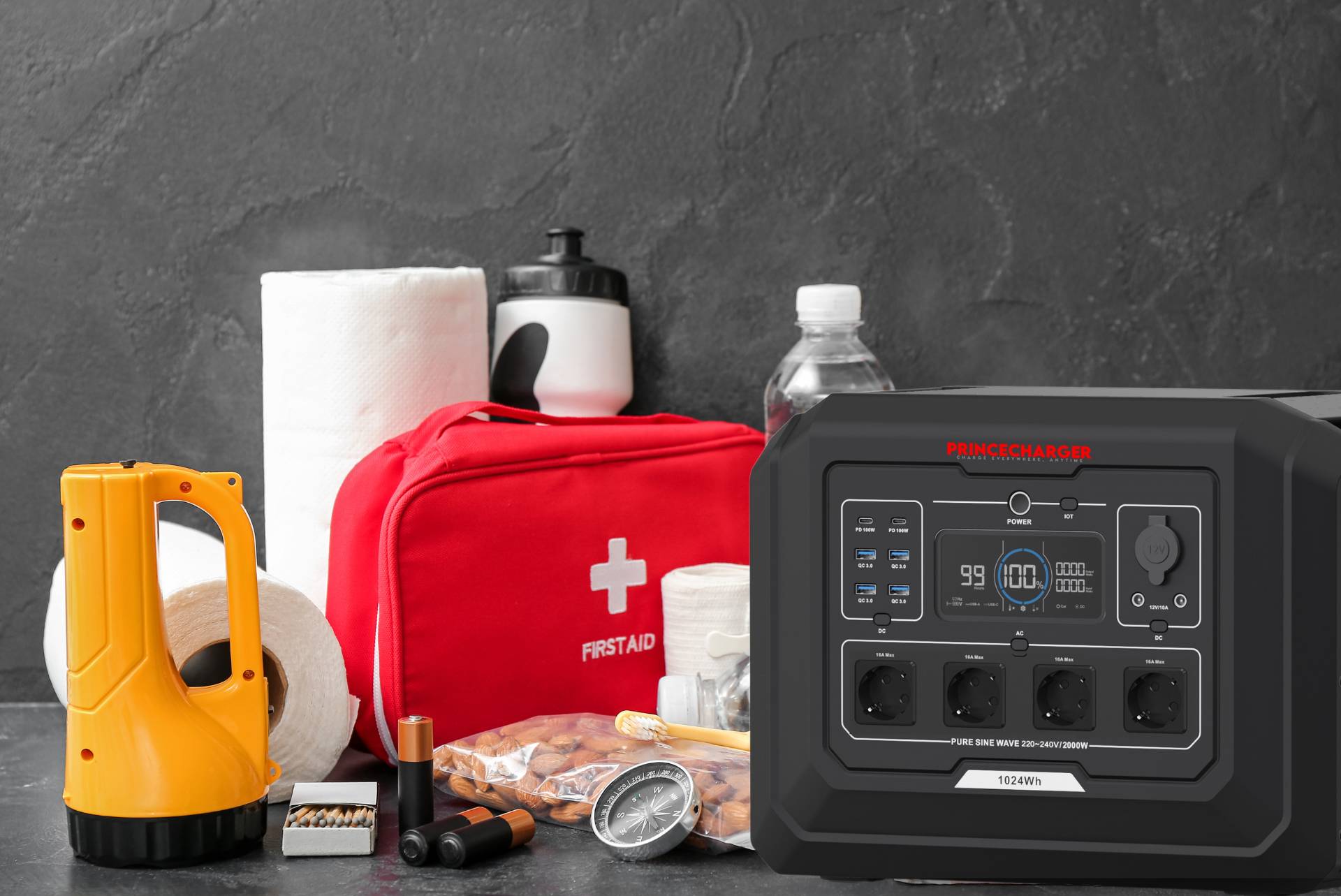
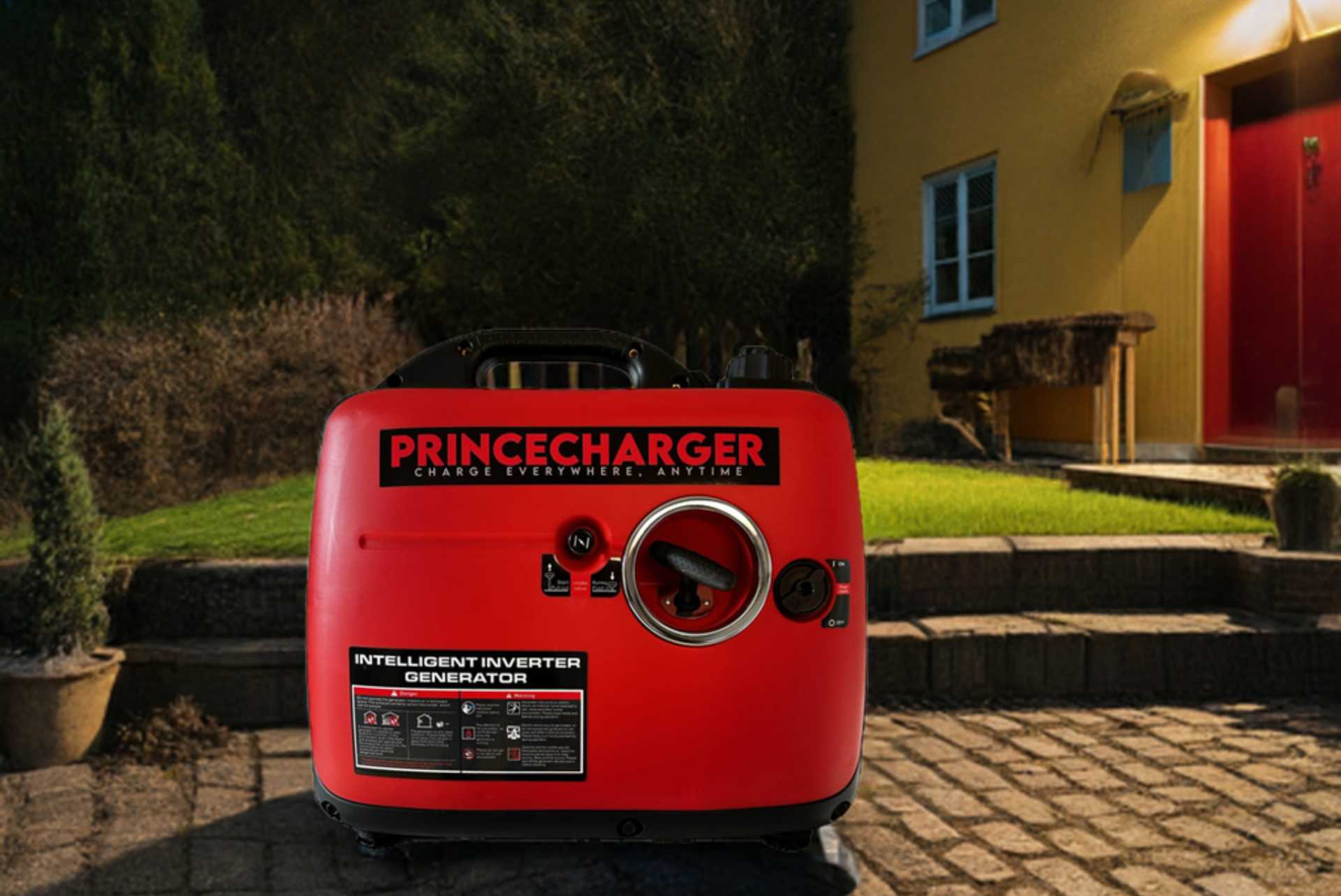
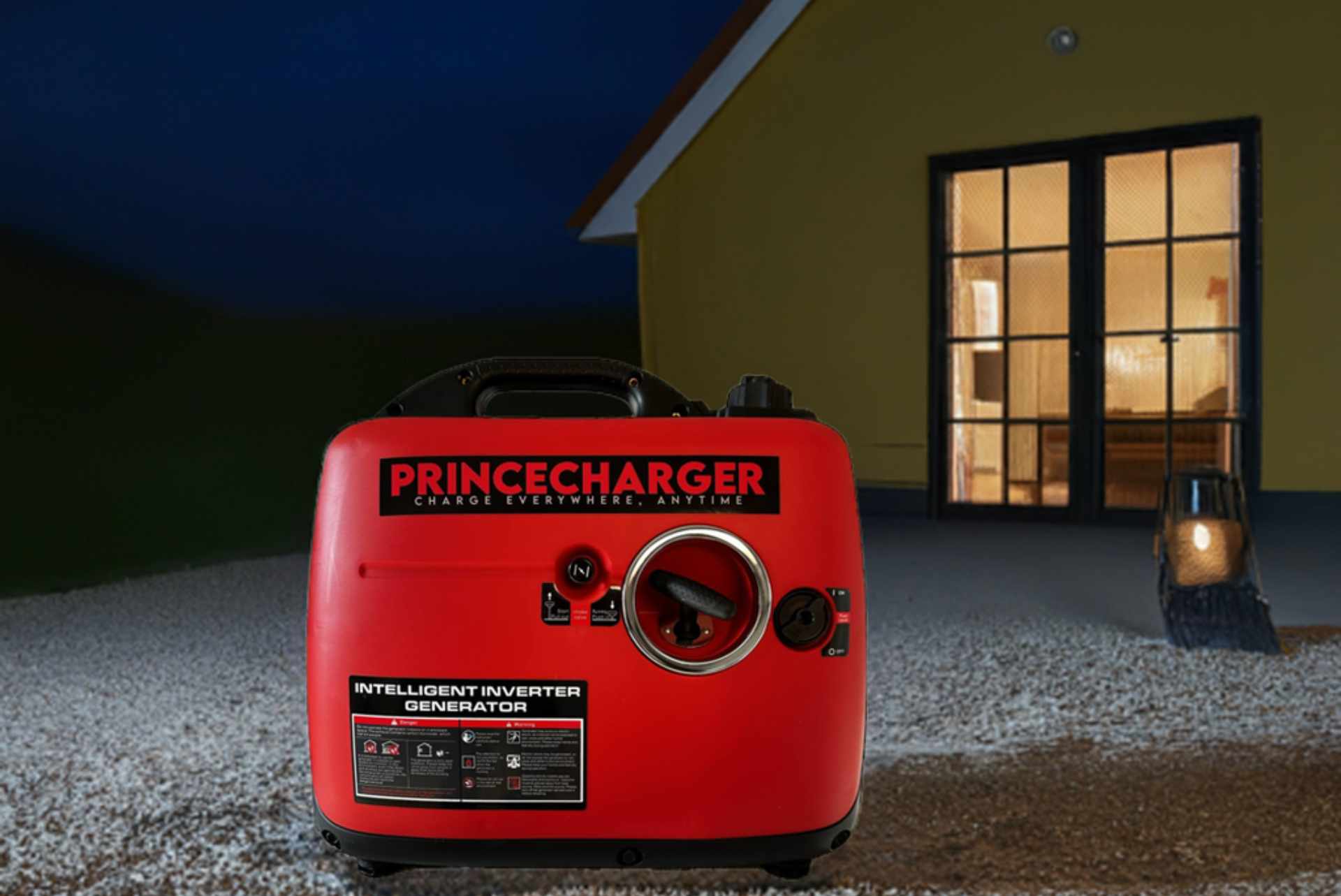
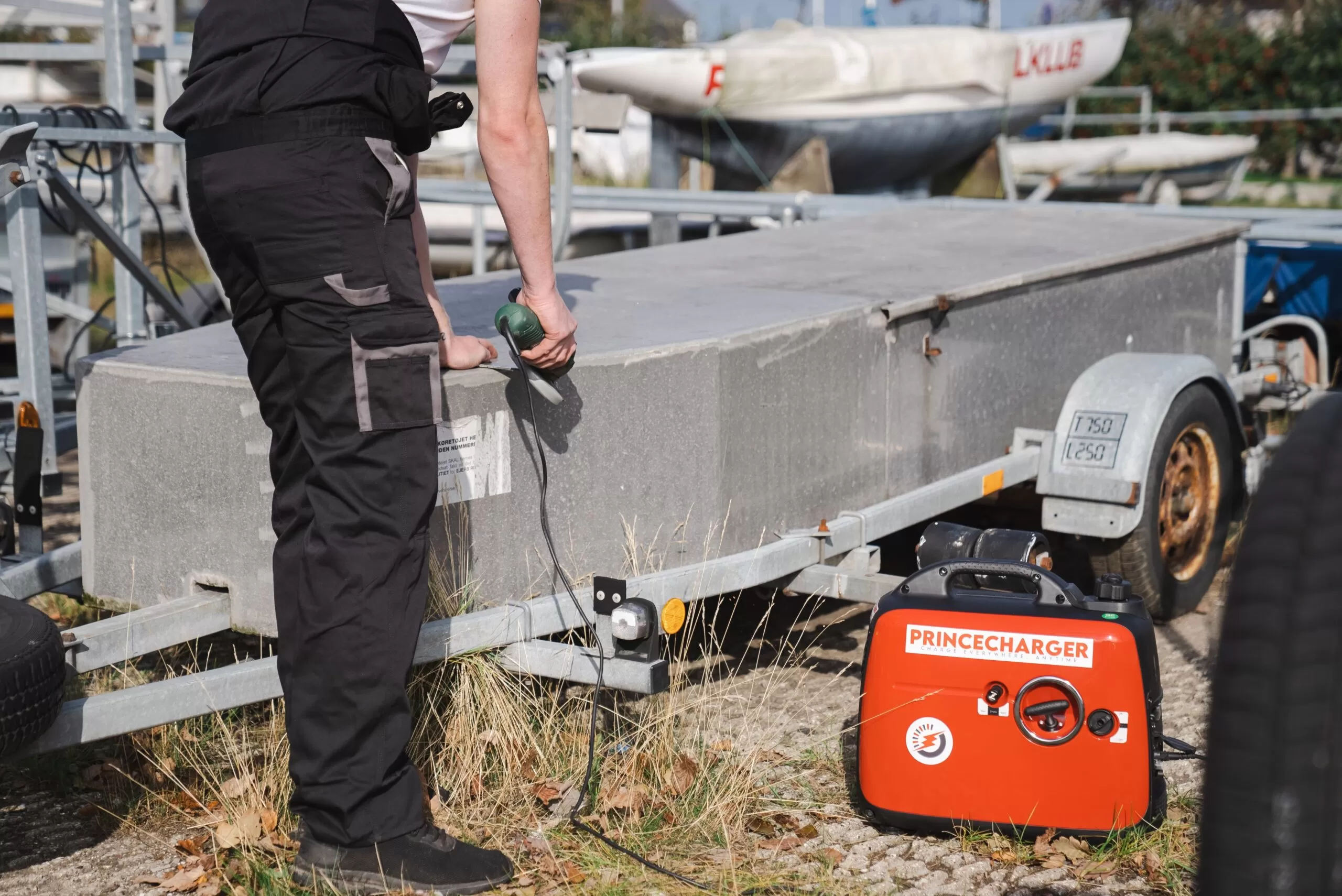
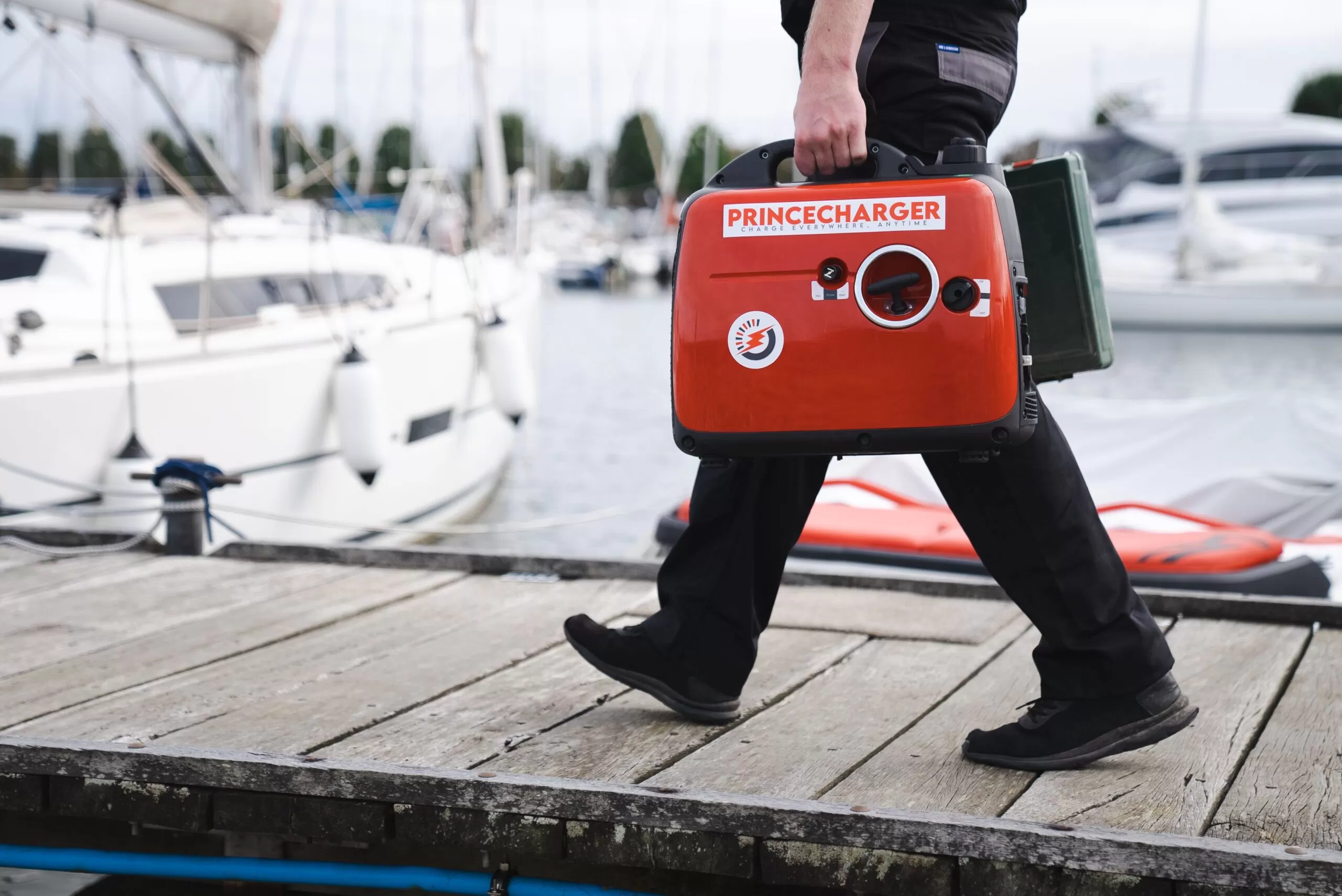
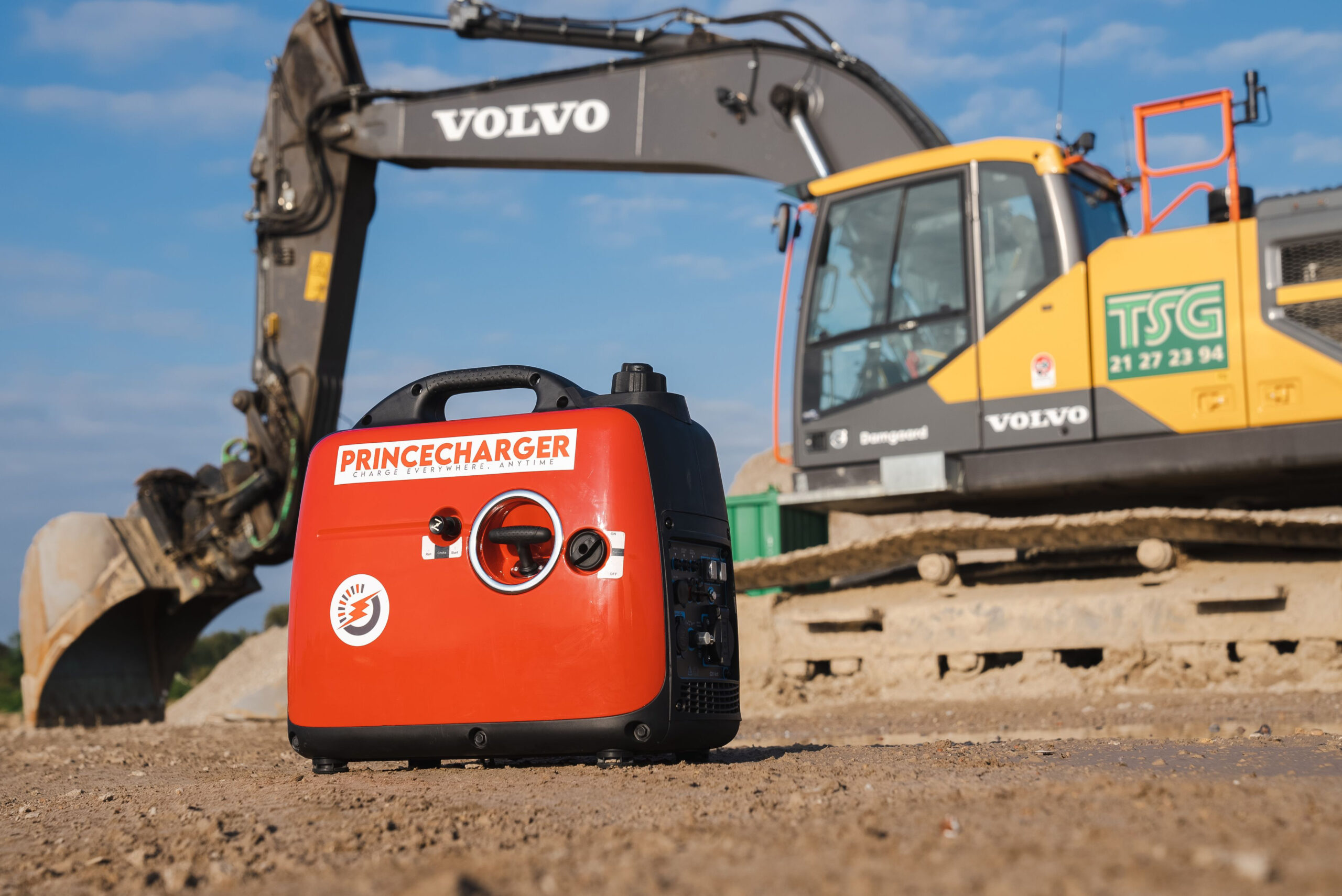
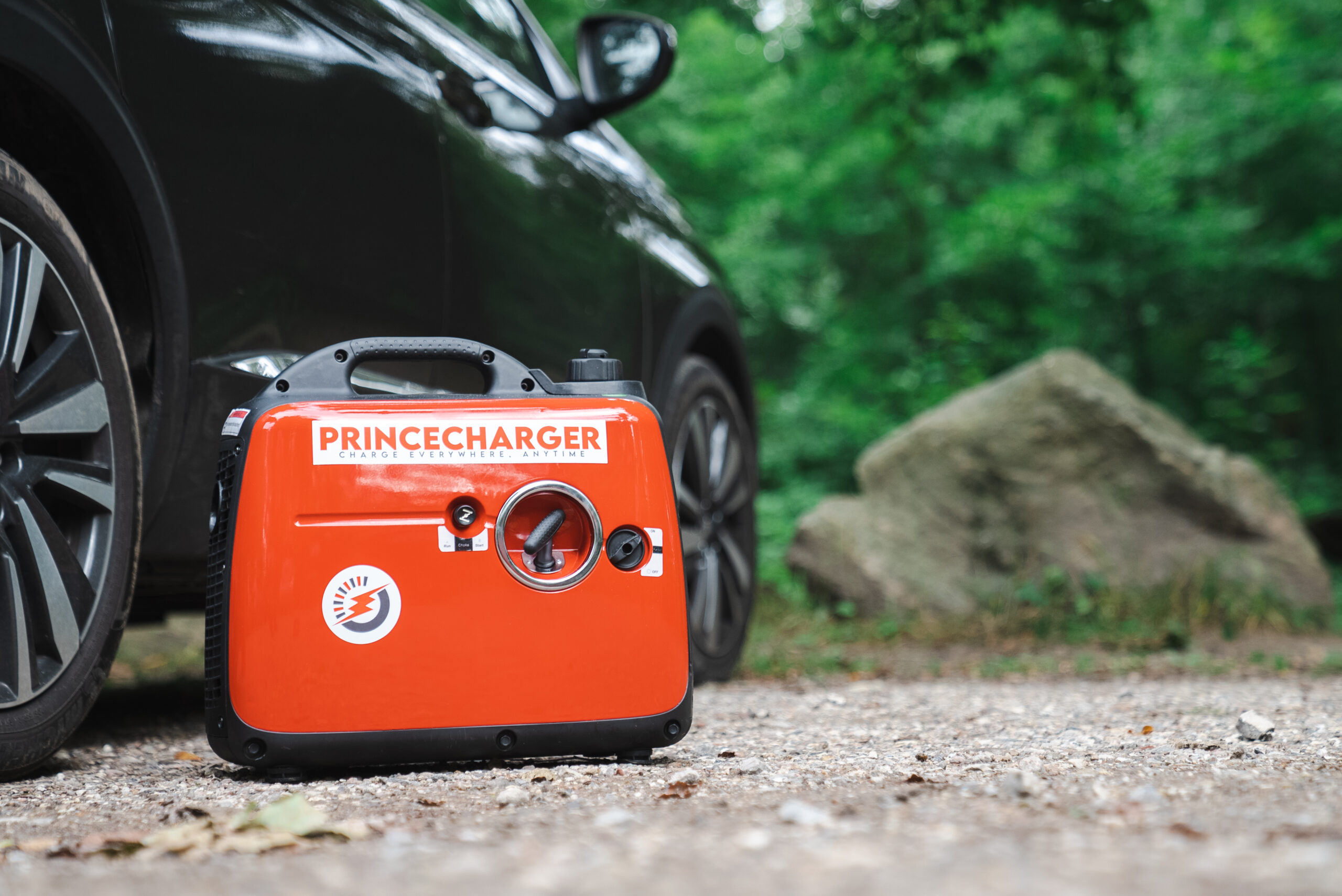
A power outage is often the first thing that happens in a crisis situation. That’s why emergency power is essential. This is where a power station or gasoline inverter generator can be a game changer. They ensure you can charge cell phones, run a kettle, keep your fridge running or power small appliances.
Popular solutions:
- Powerstation if needed. power station with solar cells
- Emergency gasoline generator for household and tools
- Extra batteries and solar lights
3. Warmth and shelter
If electricity and district heating fail, you need to be able to stay warm. Blankets, sleeping bags, candles and gas stoves can be crucial. Do you have a wood-burning stove? Make sure you have dry firewood.
4. Information and communication
Without internet and electricity, it can be hard to keep up. A battery-powered DAB radio or crystal clear FM radio will keep you up-to-date with the news. A power bank is a must.

Crisis kits and checklists – get an overview
Part of home emergency preparedness is thinking holistically and creating a tailored checklist that fits your household.
A good starter kit includes:
- Food and water for 3-7 days
- Power source: Powerstation or petrol emergency generator
- Flashlights and candles
- First aid kit and necessary medications
- Radio and communication tools
- Hygiene items and extra clothes
You can store it all in a dedicated emergency kit that can be quickly retrieved.
Why power is key to modern emergency response
While canning and water are fundamental parts of any prepper’s plan, access to power in an emergency has become just as important. Without power, you risk losing access to vital communications, refrigeration, heating and medical equipment.
Power stations are quiet, environmentally friendly and easy to charge with solar cells. They can be stored indoors and are perfect for small households. An inverter generator with gasoline ensures longer-lasting and more powerful power – ideal for larger families, households with children or homes with medical needs.
Both types should be considered as a regular part of your home crisis response.
Make home crisis preparedness a habit
Home crisis preparedness is not about fear – it’s about responsibility and peace of mind. By taking small steps, you and your family can be stronger in an unforeseen situation. Start with the basics: water, food and power. Use our blog post on emergency planning and crisis tips as a guide to get you started.
Whether it’s storms, power outages or societal crises, you’ll thank yourself for being ahead of the game.