Prepared for crisis – how to secure your home and family
In a time of increasing uncertainty, it’s more important than ever to be prepared for crisis. Power outages, natural disasters, storms or prolonged supply issues can strike unexpectedly and change everyday life in a matter of hours. Being prepared is not about fearing the worst – it’s about taking responsibility for yourself and your family. In this blog post, you’ll find concrete advice, tips and examples on how to make your home more robust and safe in crisis situations.
Why is it important to be prepared for crisis?
The Danish Emergency Management Agency recommends that all households have a plan for how to cope for several days without power, water or heating. Experience from both Denmark and abroad shows that even small incidents can develop and affect many people in a short time.
When you’re prepared for a crisis, you reduce the risk of panic and helplessness. You have the essentials in place and can act quickly – both for yourself and your family.

The key elements of crisis preparation
Being prepared for crisis requires a combination of planning and equipment. Here are some of the most essential areas:
1. Water and food supply
Make sure you have clean drinking water for at least 3 days (approx. 3-5 liters per person per day).
Store food that can be stored without a refrigerator, such as canned food, pasta, rice and dried food. Remember manual can opener – the power may be out.
2. Heat and light
Alternative heat source such as a gas stove or wood burning stove can be an important part of your preparedness. Flashlights, candles or LED lights ensure you can find your way in the dark. Always have extra batteries on hand.
3. Power supply
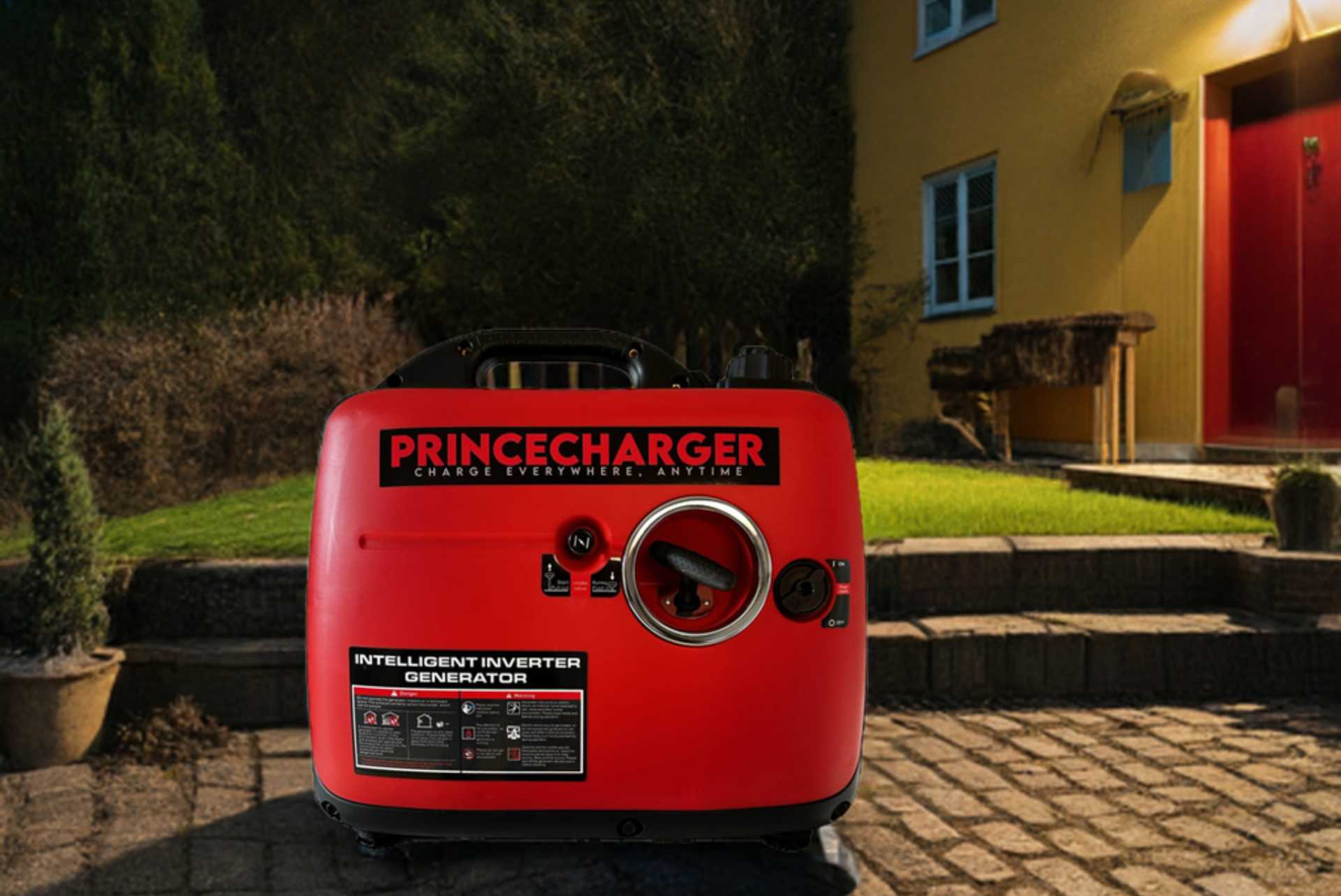
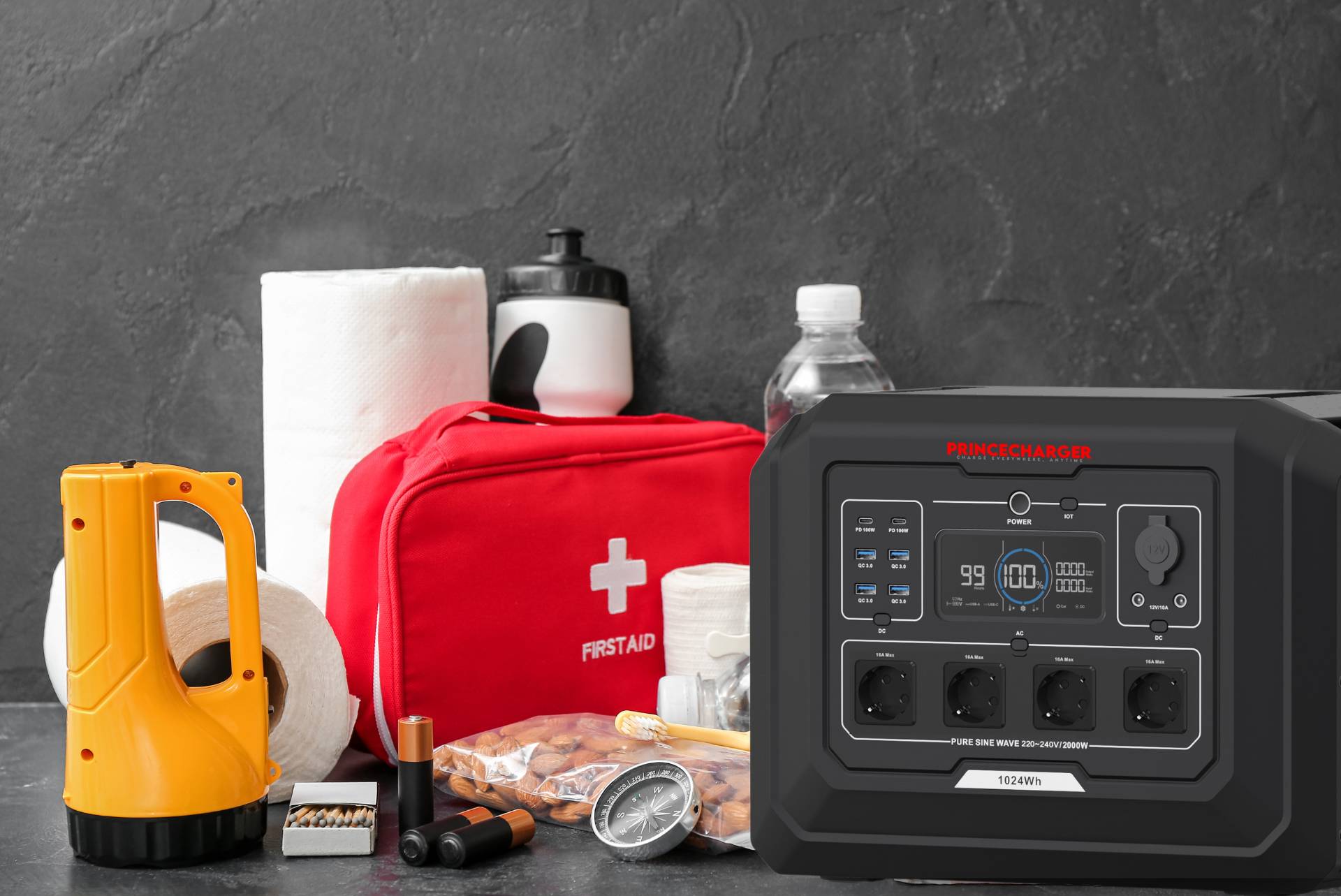
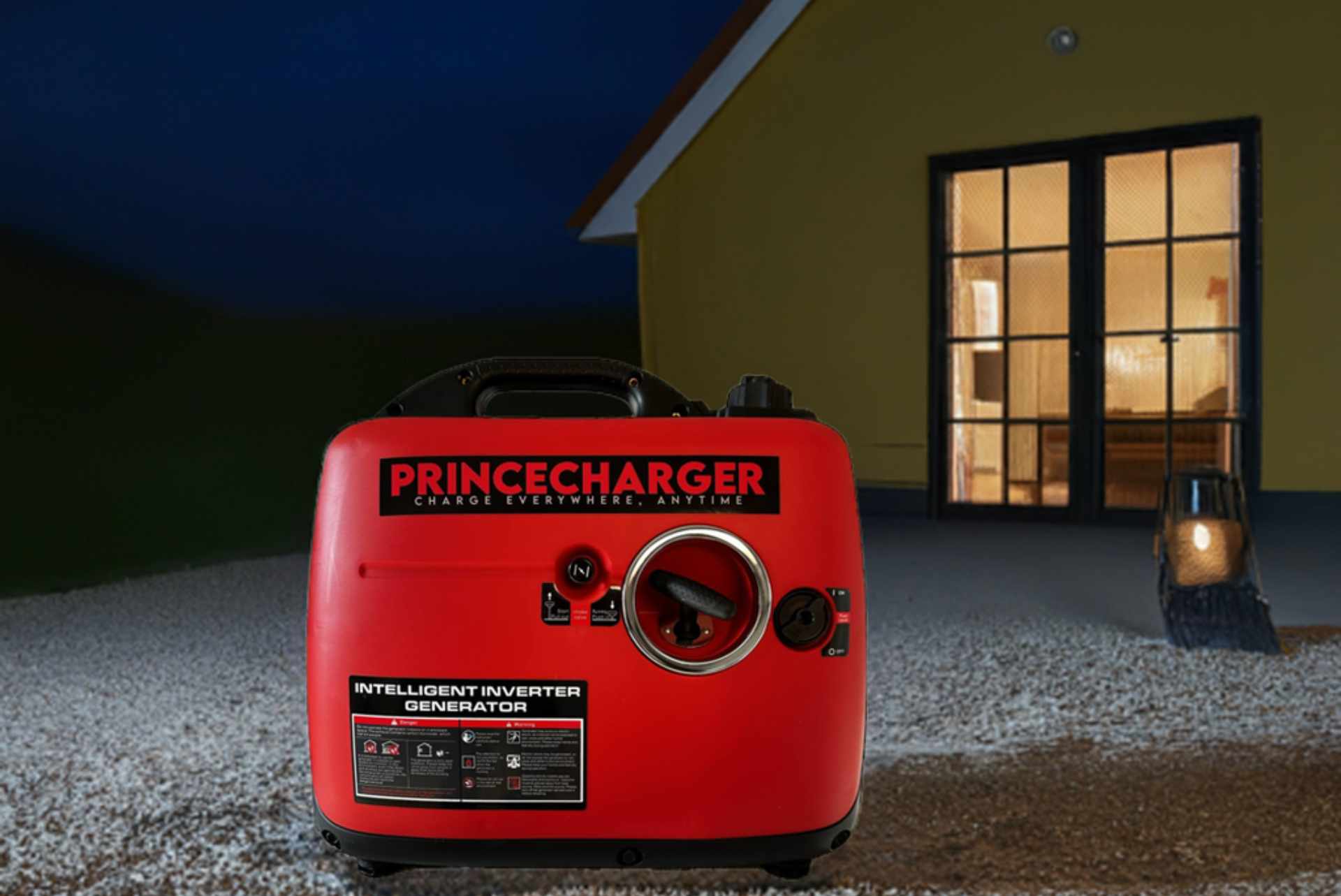
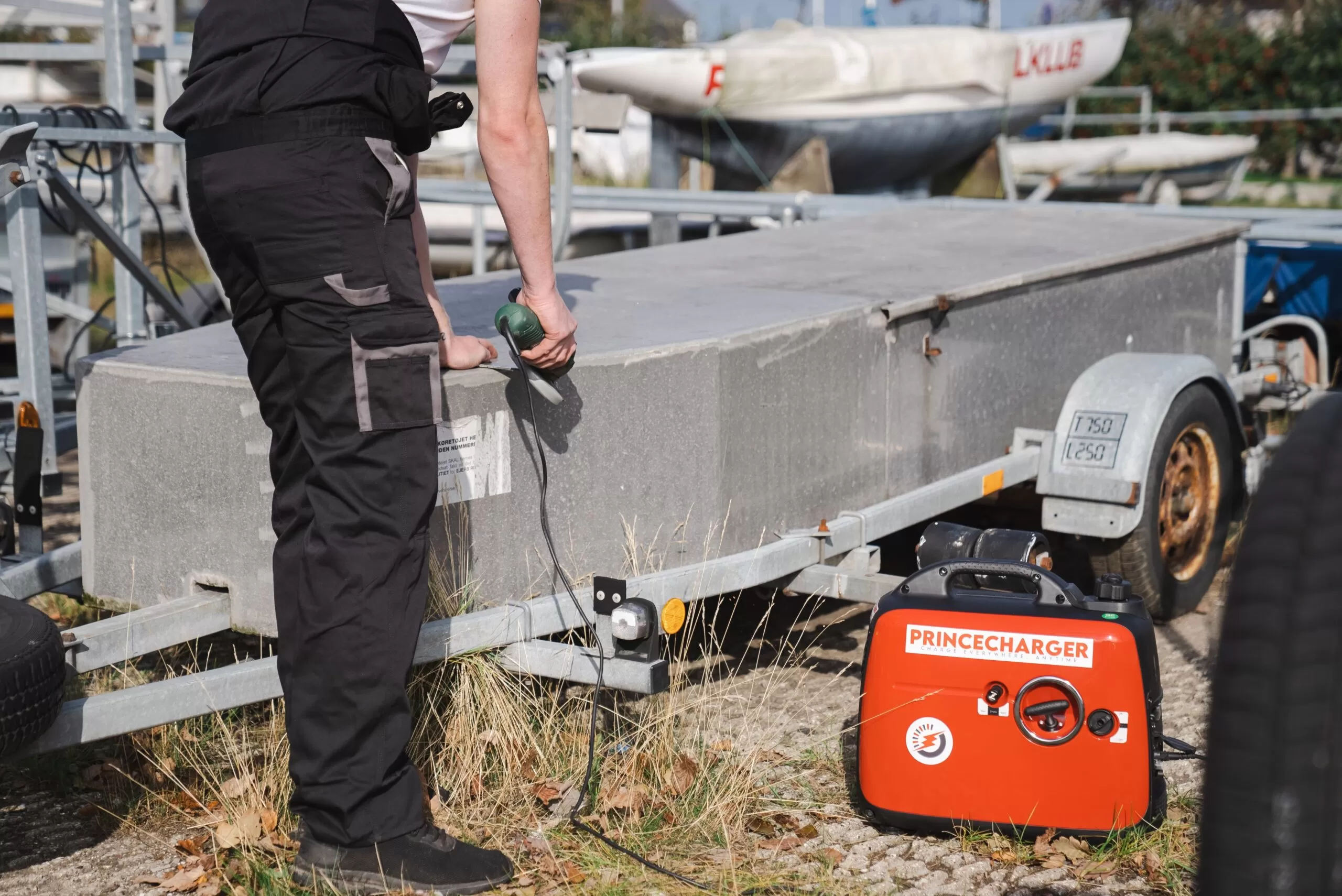
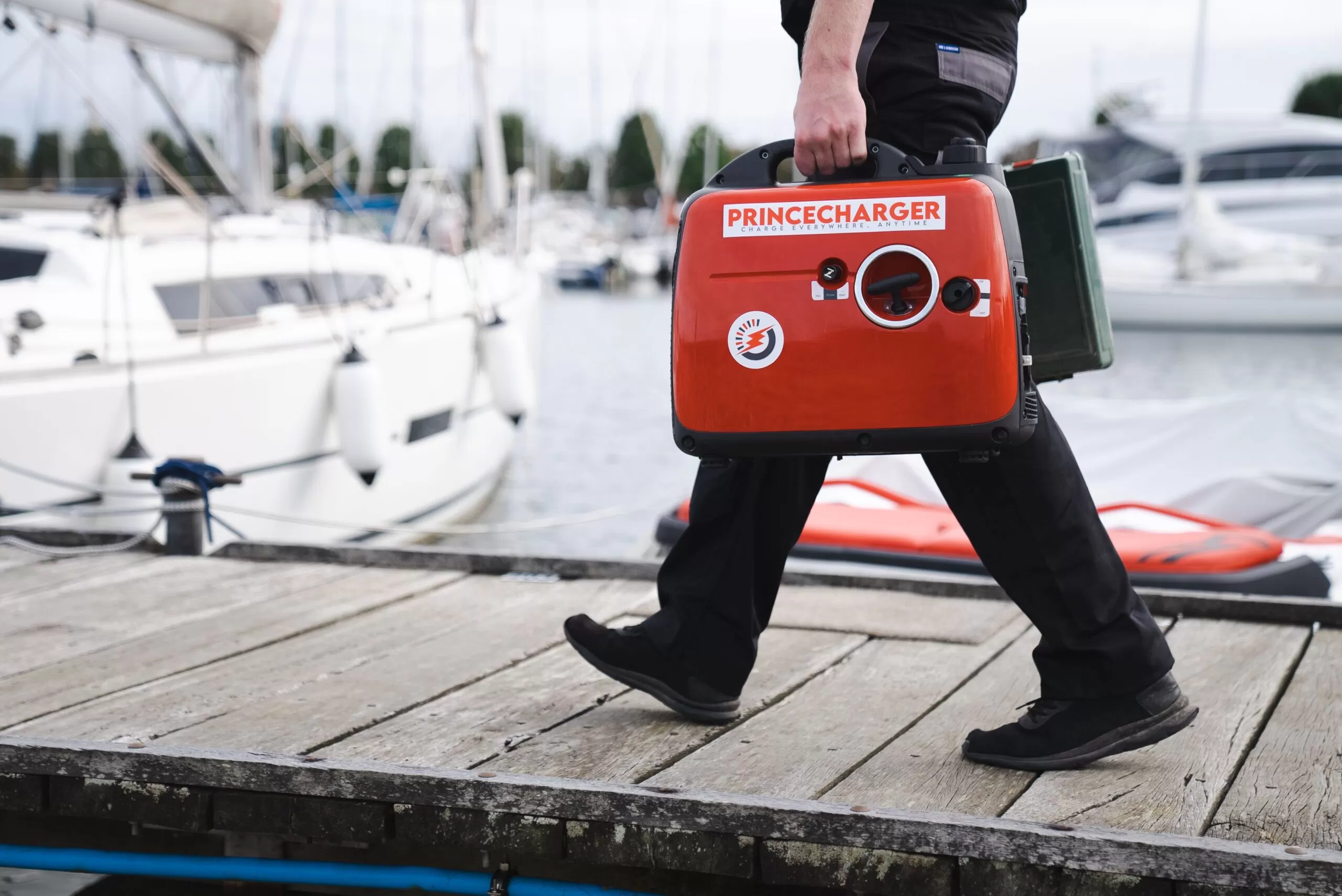
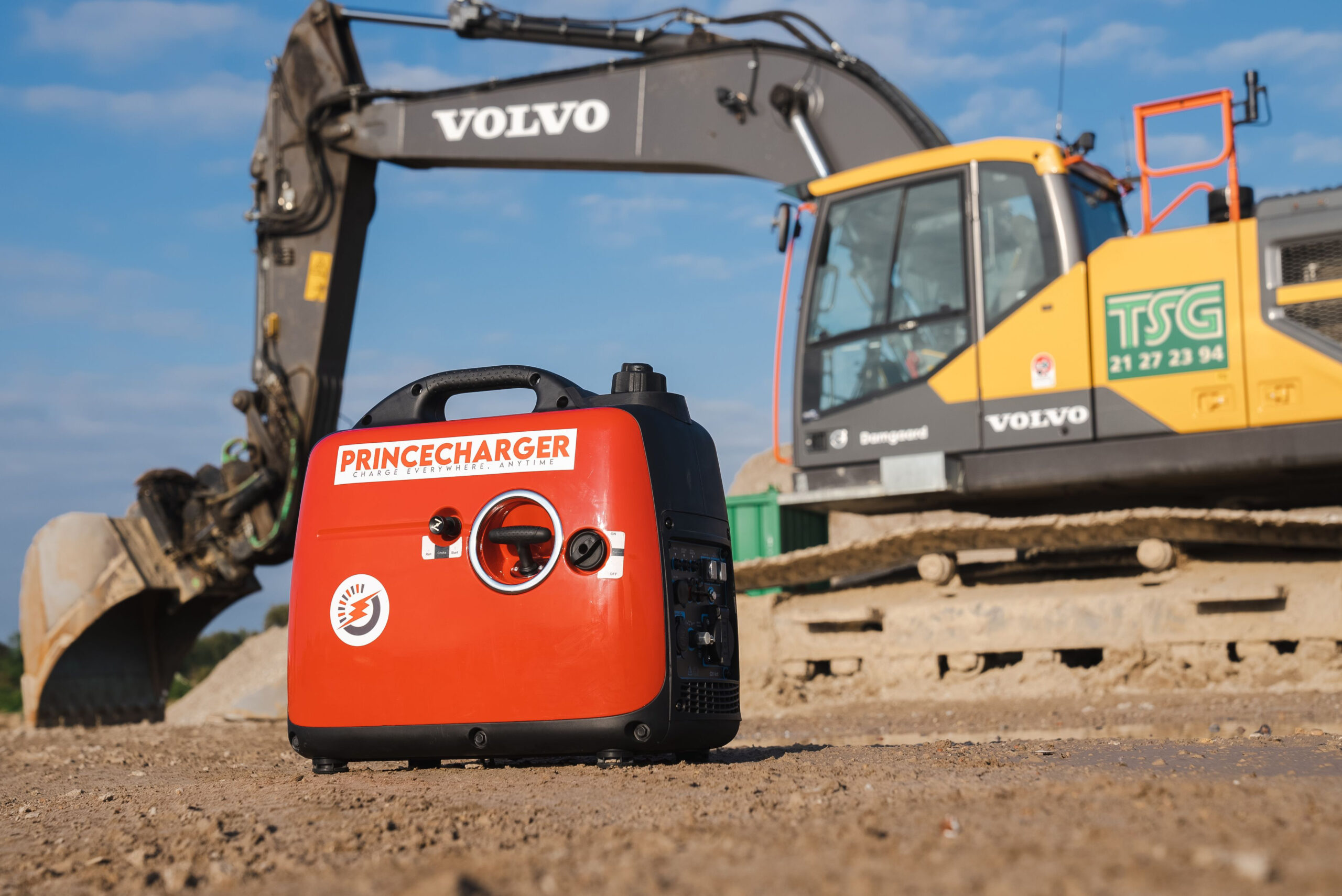
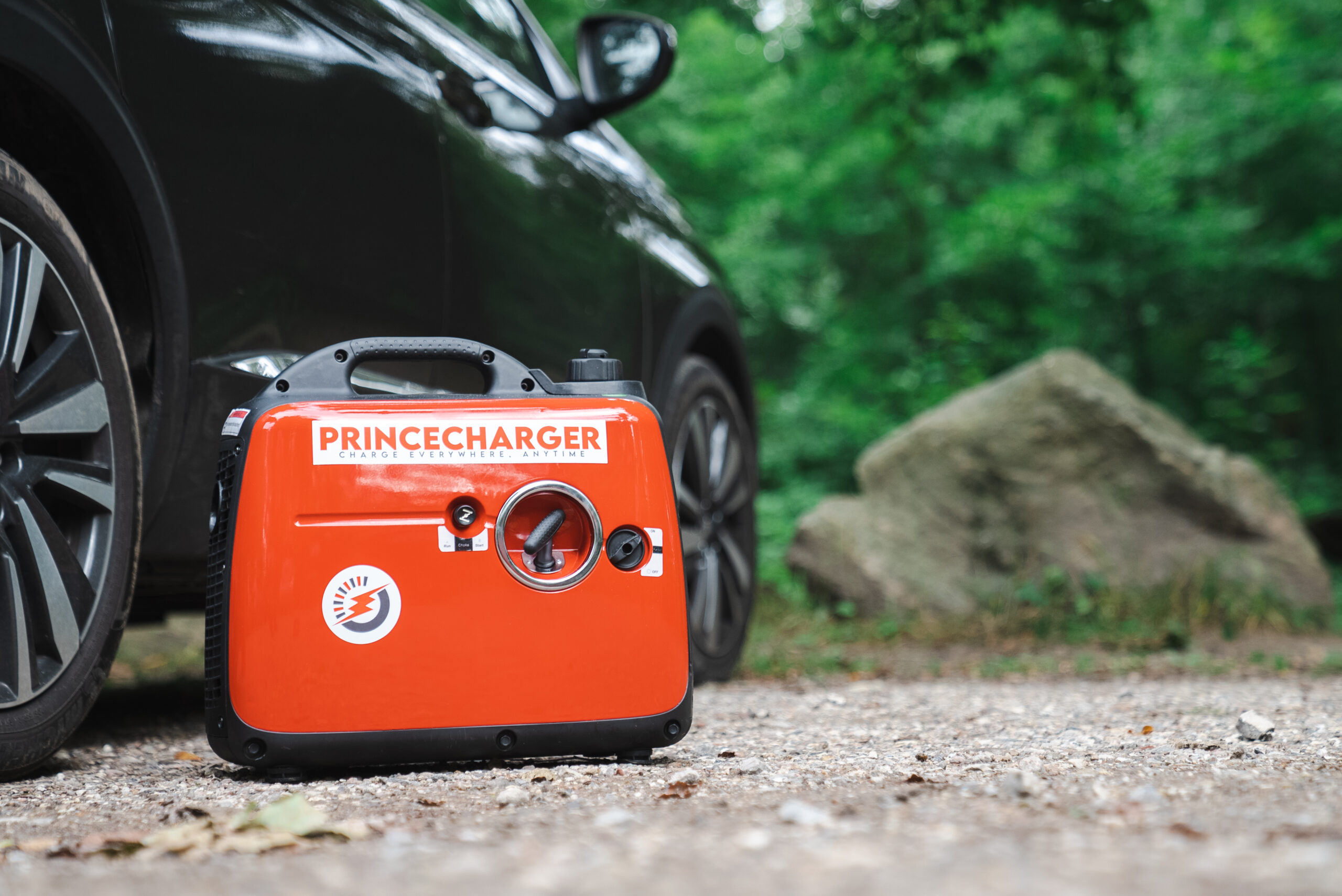
Power is now an inevitable part of modern life – even in times of crisis. A power station can give you access to power for essential devices like phones, computers and small appliances. For larger needs, a gasoline inverter generator is indispensable. It can provide stable power for both household appliances and tools – and is quieter and more efficient than a traditional generator.
4. Communication and information
A battery-powered or hand-crank radio can give you access to emergency information.
Make sure you have backup power for your cell phone so you can stay in contact with family and authorities.
5. First aid and medication
Always have a first aid kit at home. Make sure to stock the most necessary prescription medications for an extra period of time.
Preparing for a crisis at home – step by step
Creating a solid crisis response doesn’t have to be complicated. Start small and gradually build up your preparedness:
- Make a list of the most critical needs: water, food, power, heating, communication.
- Make sure you have equipment for at least 72 hours without public supply.
- Include the family in the plan – so everyone knows what to do if a crisis hits.
- Update your preparedness regularly – e.g. once a year.
Powerstation and generator – your safety in case of power failure
One of the most critical parts of crisis preparation is access to power. Without power, you’ll quickly lose light, heat, internet and the ability to charge essential devices.
A solar power station is quiet, portable and can be charged via wall outlet, car or solar cells. It’s perfect for apartments, houses and camping.
A gasoline inverter generator is ideal for longer power outages or larger needs. It can power refrigerators, freezers, pumps and tools.
By combining the two solutions, you can ensure flexibility and peace of mind in both short-term and long-term crisis situations.
Frequently asked questions (FAQ) about being prepared for crisis
Hvor meget mad og vand bør jeg have på lager?
Er en generator nødvendig i alle hjem?
Hvordan vedligeholder jeg mit udstyr?
Er det dyrt at være forberedt på krise?
Take responsibility for your crisis preparedness
Being prepared for crisis is not about fear, it’s about responsibility. With simple steps and the right equipment, you can create peace of mind for yourself and your family. Start with the most critical elements like water, food and power – and then build your preparedness.
To read more about equipment and recommendations for crisis preparation, you can also check out our post on emergency preparedness recommendations.