Emergency preparedness recommendation – how to best prepare
In a time of unpredictable weather conditions, rising energy prices and global crises, it’s more important than ever to have a solid emergency preparedness plan. Many people think that emergency preparedness is only for preppers, but the truth is that every household can benefit from being prepared. Here are our top emergency preparedness recommendations to help you and your family be stronger in a crisis situation.
Why is emergency preparedness important?
Good emergency preparedness is about being ready when unforeseen events occur – whether it’s power outages, natural disasters, water shortages or long-term supply issues.
When the power goes out or supply chains are disrupted, even small challenges can quickly grow big. That’s why every family should have a plan and the right equipment to survive for at least 72 hours without external help.
Emergency preparedness recommendation – the most important elements
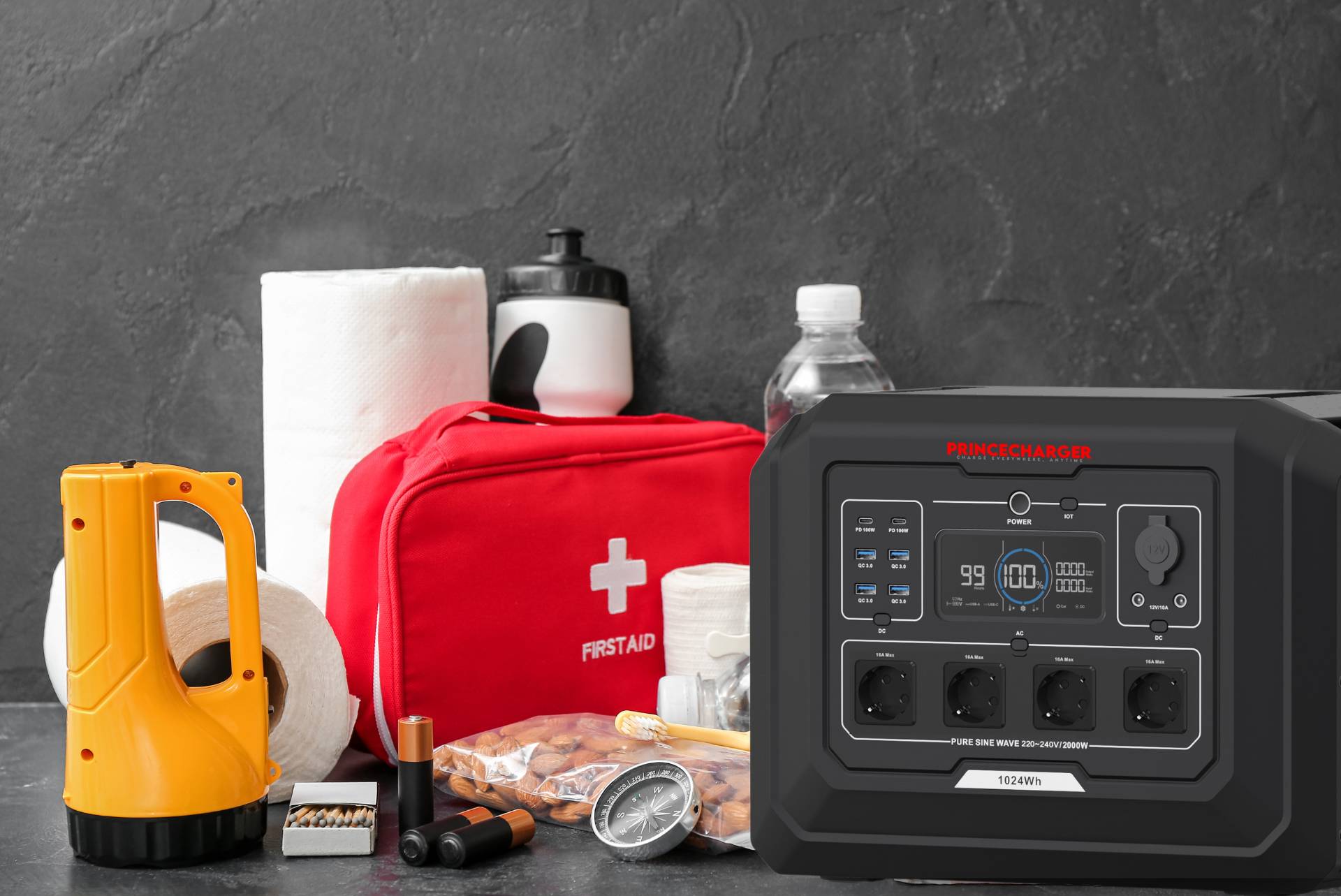
An effective emergency response should include a combination of basic supplies, practical equipment and energy sources. Here are some recommendations:
- Clean drinking water – preferably at least 2 liters per person per day
- Long shelf life foods – canned food, freeze-dried food, energy bars
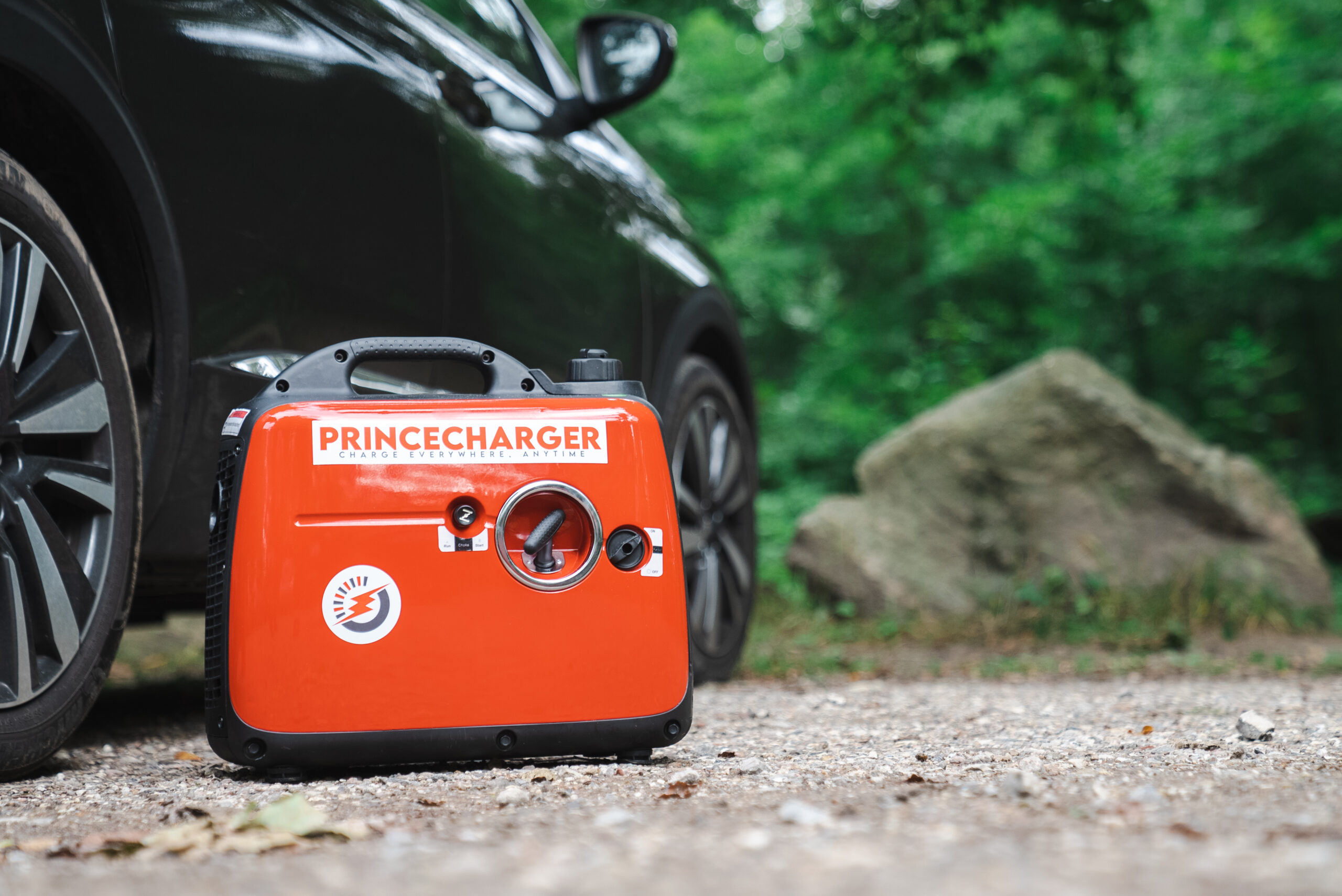
- Power supply – e.g. an inverter generator or power station
- Lighting – LED lights, headlamps and extra batteries
- Means of communication – battery-powered radio or solar radio
- First aid kit – plasters, bandages, painkillers
- Warmth – blankets, sleeping bags, possibly a gas or wood stove

Power as part of your emergency preparedness
One of the most overlooked parts of emergency preparedness is power. Today, almost everything in our homes relies on electricity – from communication to food storage.
Our emergency preparedness recommendation is to ensure a stable source of energy so you can keep your fridge, freezer, phone charging and essential electronics running.
Two obvious solutions are:
- Solar power station – Silent, portable and ideal for both crisis and leisure
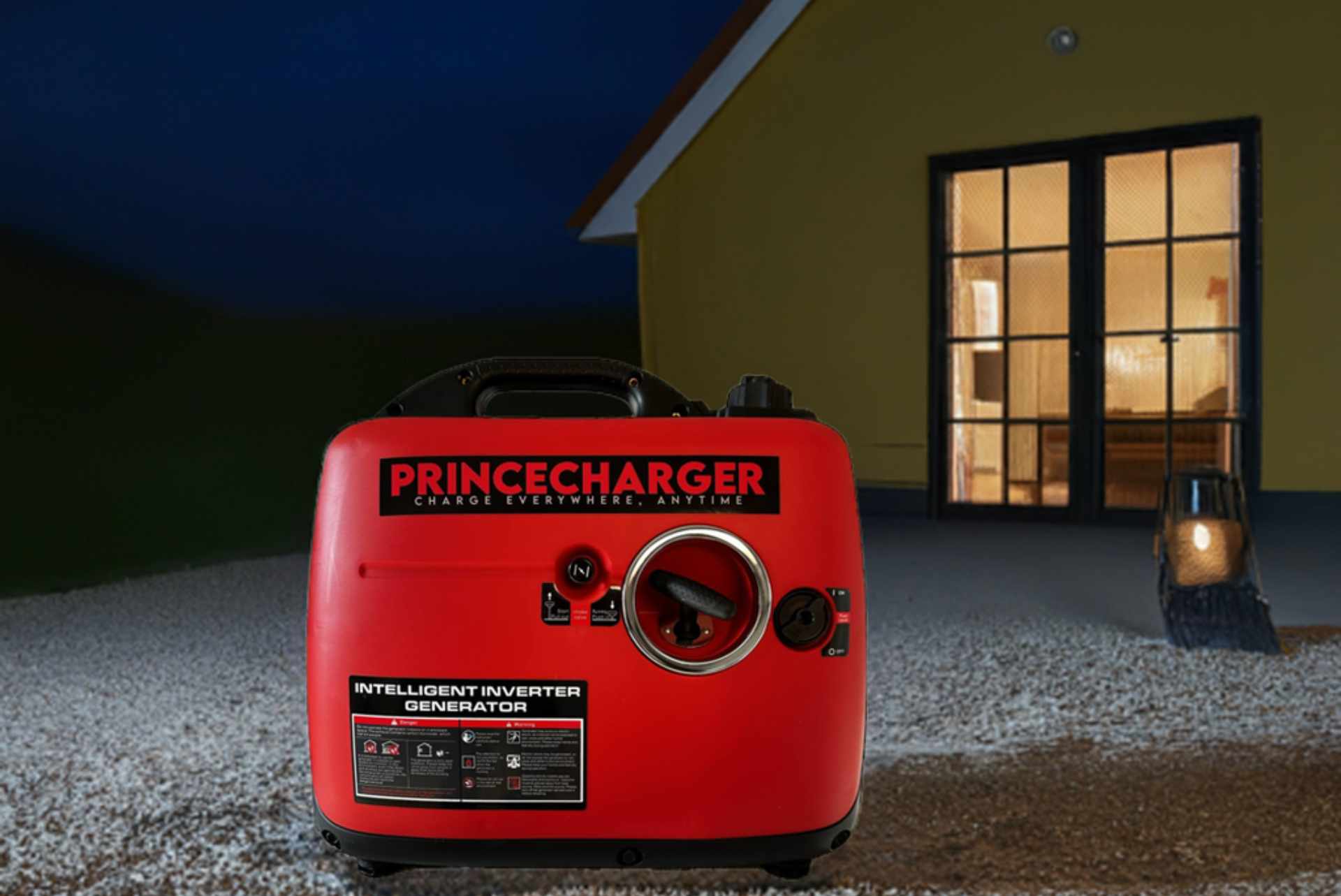
- Gasoline generator – Robust, efficient and capable of powering both household appliances and tools
How to get started with emergency preparedness
Building an emergency preparedness kit can seem overwhelming, but start with the most critical items: water, food and power. Then you can continuously expand with additional equipment to suit your family’s needs.
A good rule of thumb is to make a checklist and update it a couple of times a year – preferably at the change of season.
Benefits of being prepared
A good emergency preparedness provides:
- Peace of mind – you know you can take care of yourself for a while
- Flexibility – you can adapt to different crisis scenarios
- Protection of assets – e.g. food in the freezer during a power outage
- Opportunity to help others – family, neighbors or friends in need
Combine crisis preparation with leisure use
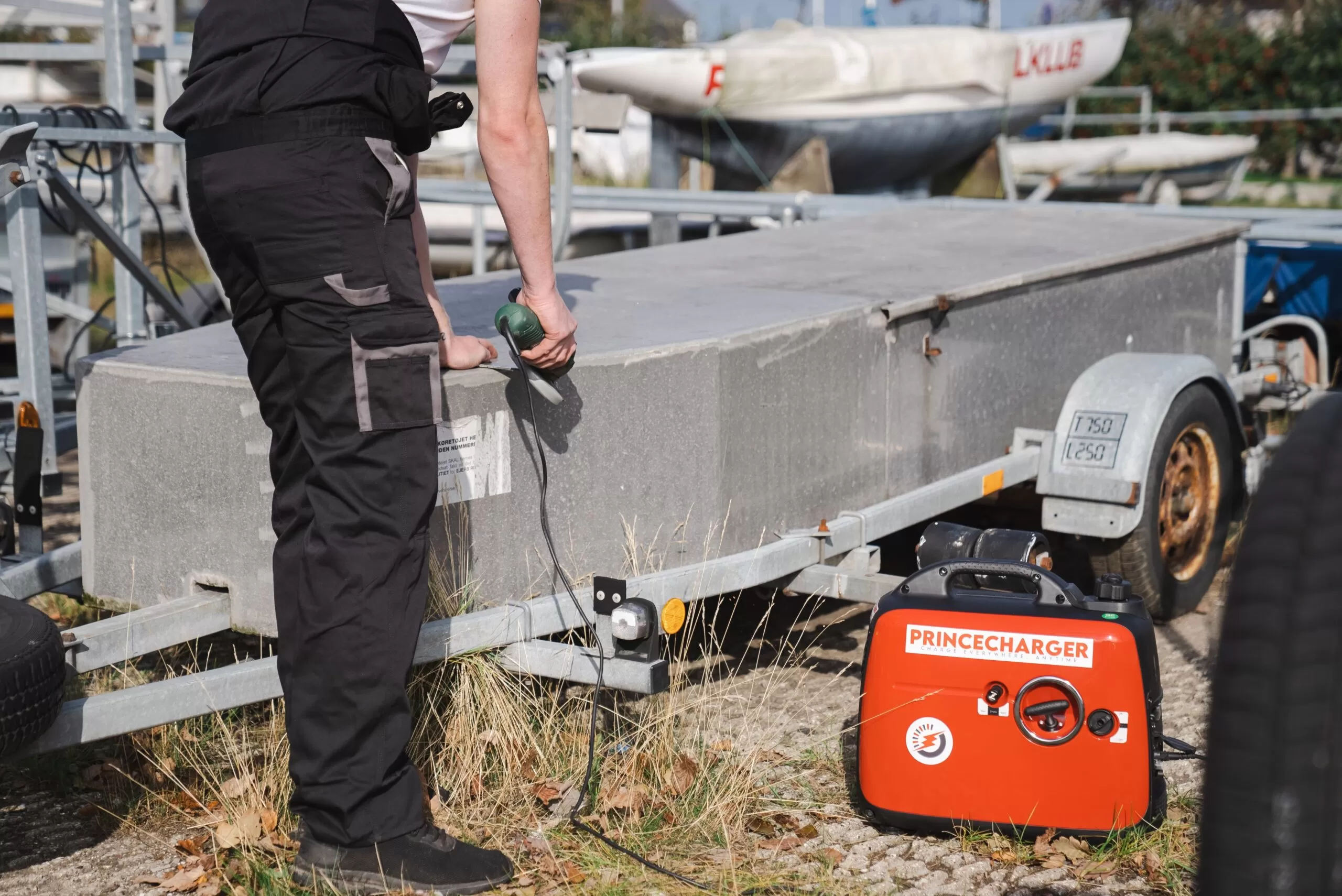
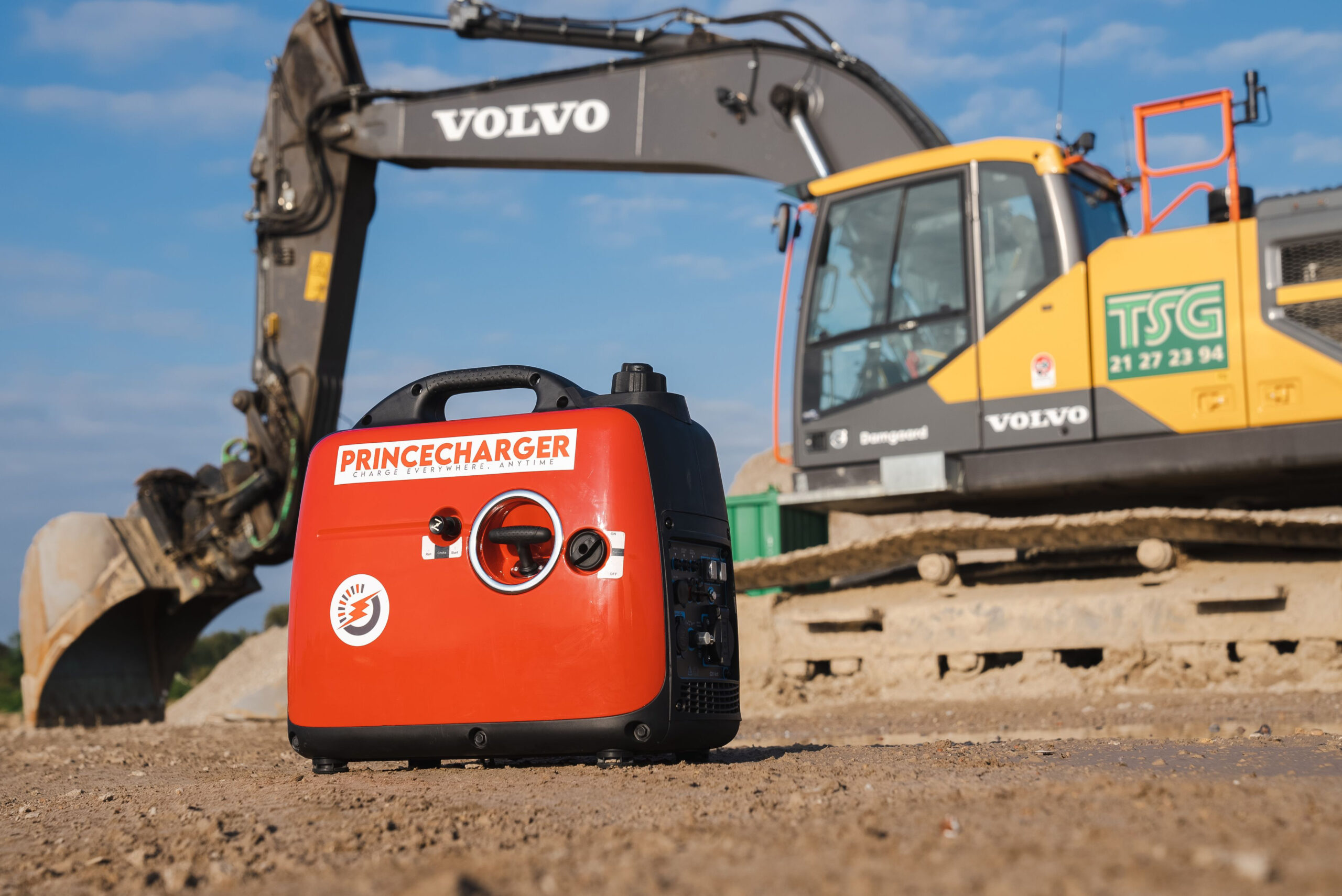
A smart thing about modern emergency preparedness equipment is that it’s not just for crises. A power station can be used on a camping trip, the inverter generator can power tools on the construction site, and solar panels can provide free energy for everyday use.
This way you get more value out of your investment while being better prepared for unforeseen situations.
Our best emergency preparedness recommendation
A solid emergency preparedness is an investment in safety and security. Start with the essentials: water, food and power. Then add light, communication, heat and first aid.
Whether you live in the city or the countryside, following these emergency preparedness recommendations can be the difference between chaos and control when crisis strikes. Want to protect yourself against power outages today? Check out our emergency generator here.